
About Colombia
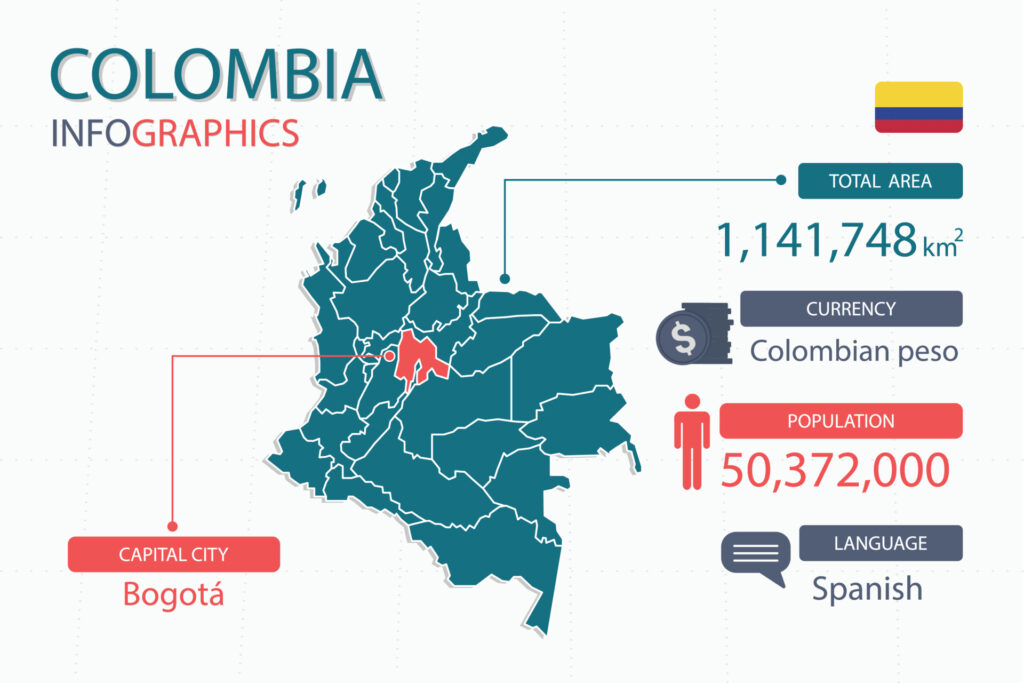
Colombia is the second-most biodiverse country in the world, housing 10% of the world’s fauna, 15% of the world’s flora, and producing 15% of the world’s oxygen. Colombia is situated at the meeting place of Central and South America, and it is the only country on the continent of South America with coastlines on both the Pacific Ocean and the Caribbean Sea. Tourists are drawn to Colombia’s clean tropical beaches, lush rainforests, snow-capped Andean mountain peaks, and fertile coffee plantations.
ISL’s service-learning program is in the surrounding villages of the city of Chinchiná in the State of Caldas. There are twenty-one coffee farmworker “veredas” (villages), varying in size from a half dozen families to a hundred homes. This region is known as “Eje Cafetero” (the Heart of Rural Coffee Plantation Country) in the central cordillera of the Andes, with lush green peaks and valleys at an elevation between 4,000 – 6,000 feet. The yearly average temperature is a pleasant 70 degrees. Yes, it rains daily, but almost always only at night, which is very convenient for both farmers and our ISL service volunteers!
Colombia is experiencing an economic and cultural transformation with its recently found civil peace and growing trade with the U.S. and other developing nations. Urban areas have made great strides in reducing poverty through economic development and increased access to higher education, but rural farming regions still need health care, elementary education, and development support.
About 32% of our population still lives below the poverty line, primarily in the rural farm-working communities where ISL volunteers serve. Colombia is the world’s third-largest producer of coffee.
The Need in Colombia
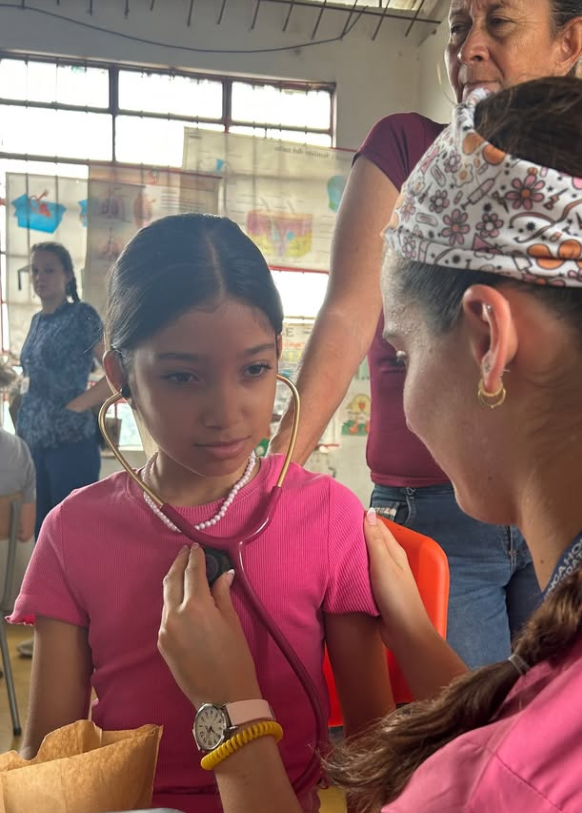
Health care in Colombia is offered by the medical, nursing, and allied health professions in the Republic of Colombia. Basically, everyone has insurance, but CARE is a bad situation. As many as 90% of the patients on the government free insurance go without their supposedly free medications because there is seldom inventory to hand out for free. All have an insurance card, but most on government insurance never see their medications, or cannot afford the transportation cost to go pick them up at some centralized urban location, or can not get the day off or afford to get their day off from work that it would require to go pick them up. What is needed most is for the pharmacists to go to the villages to help the patient’s to get their medications! People believe they might be wasting their time going to the doctor if they then can not get the medications or have money for the transportation or can’t get time off work to continue care, They give up hope and then simply stop trying to seek medical care. Another big issue is that the mobility of health insurance is not good. It’s often regional, and only a single or a couple of clinics deal with the insurance company. And if they are farmworkers, they travel, therefore are often displaced from the only places where they can get their subsidized care. The two largest insurance companies have been taken over by the government and are not solvent.
The Human Rights Measurement Initiative finds that Colombia is fulfilling 94.0% of what it should be fulfilling for the right to health based on its level of income. When looking at the right to health with respect to children, Colombia achieves 96.3% of what is expected based on its current income. In regards to the right to health amongst the adult population, the country achieves only 91.7% of what is expected based on the nation’s level of income. Colombia falls into the “fair” category when evaluating the right to reproductive health because the nation is fulfilling 93.9% of what the nation is expected to achieve based on the resources (income) it has available. The country is in 11th position among 200 countries when measuring the effectiveness of its health system.
Tropical diseases are important issues in Colombia because they are major causes of death. Malaria affects nearly 85% of the national territory, mainly the Pacific Ocean coast, the Amazon jungle and eastern savannas, with an estimated 250,000 cases/year and a mortality rate of 3/100,000. Yellow fever and dengue fever are major public health concerns, because of their high epidemic potential, and high mortality rate. The Colombian government develops vaccination campaigns against yellow fever on a regular basis. Different forms of malnutrition severely affect the population, especially children under five years of age, with moderate to severe rates of malnutrition of 21% and iron deficiency anemia of 23%.
Urban and rural residents experienced significant differences in access to health care. The coverage in the three largest cities—Bogotá, Medellín, and Cali—was almost 95 percent. At the rural level, the best services were delivered by the departments in the coffee-growing areas. At the bottom of the scale—in terms of quality and coverage—were the rural areas in the non-Andean regions as well as the marginal neighborhoods in medium-sized and small cities.
Where We Serve in Colombia
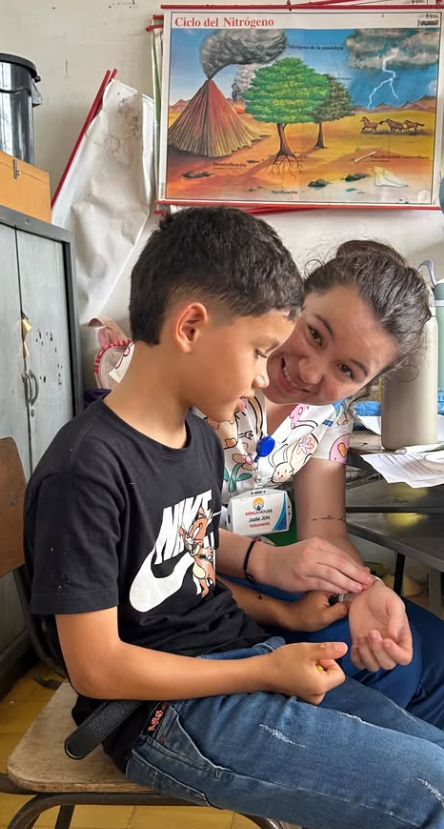
ISL volunteers serve small farm-working communities in central Colombia’s high-altitude coffee bean harvesting region. People here are too far from regional hospitals to receive health care regularly. Most adults do not have a formal education. Many youths face the difficult decision of leaving home for the cities to continue their education past middle school or to stay and help their families as the new generation of coffee farm workers. Even so, you will not find seemingly happier people or a more beautiful setting than the coffee lands of Colombia.

Cultural Exploration
With ISL Colombia, you’ll have many opportunities to explore the culture of those you serve such as a Café Farm Tour and Cafe Tasting where you will learn the process of making coffee from the bean to the cup, and learn to differentiate between bad, sound, and excellent coffee. The Cabalgata Horseback Ride allows you to experience what locals do as you ride horseback through the coffee landscape, or you can extend the experience to an all-day trail excursion between coffee villages, visiting beautiful nature landmarks, crossing streams, fishing, and cooking delicious traditional meals cooked over coals in open fields. Visit the Termales hot springs which are believed by locals to have medicinal properties, or attend the Contra Via, a weekend family street fair hosted by Casa de Cultura and the Mayor’s office where you will find live music, art exhibits, activity stations for children, and other cultural displays. The highlight is promoting health & sport as the main street is blocked to encourage families to share jogging, walking, biking, and rollerblading. The Manizales City Tour allows you a unique experience among the locals while bargain hunting for Colombian keepsakes, indigenous-made purses, and other wares. The Café Cultural La Tarima is a famous coffee shop for college students near our base camp hotel and has live music & artistic performances, game boards, and delicious specialty coffee drinks. The Juan Valdez Café in Manizales allows you to mix with local Colombians who can easily spend $2-5 on a leisurely coffee drink as part of the economic renaissance in the city. Zumba at the Park on a Friday night provides the contagious Latin beat where the enthusiasm of the participants will draw you in! A Day at School
allows you to visit public and private schools, K-12, or even universities! Experience an average day in a school setting, perhaps serving as an assistant teacher or assistant coach! Street Fútbol & Basketball provides an opportunity to accept the challenge of a teen street soccer or basketball game. ISL volunteers are known for accepting the challenge. The wager: ice cream! Motorcycle & Jeep Rides provide a unique community view, with ISL volunteers often riding in open jeeps to reach the rural villages we serve. Cooking Classes provide an opportunity where you learn to prepare your new favorite Colombian dishes! Whether you want to learn to cook a traditional Colombian dish or simply watch the cooking magic happen, you are always welcome to join our kitchen staff before mealtime.
Recreation
When it comes time to get out and explore, you’ll see why Colombia is said to be one of the most breathtaking places on earth. Dependent on the location of the clinic you may have opportunities to participate in competitive Paint Ball, enjoy a Spa Night or Massage or workout at CrossFit. Horseback riding and Jeep rides also provide another way to see the local communities. Another option is to attend the Confamiliar Galicia, a massive 40-acre sports complex that has a water park, artificial turf soccer fields, sand volleyball courts, and basketball courts.
Recreational opportunities do have an extra cost so check with your ISL Representative when scheduling your activities to make sure that you prepare well for those expenses.
Country Coordinator
International Service Learning (ISL) is very proud of their Country Coordinators and we would like for you to get to know them, before you visit their beautiful country. All of our Country Coordinators are hardworking, passionate individuals who enjoy serving their communities and working with ISL volunteers, and they all have their own very unique stories.
Glen Galindo has been working with iSL since 2014. Glen’s journey began in Stockton, CA, but his roots extend far beyond. He spent his formative years in Jalisco, Mexico, before embarking on an educational adventure across California. His academic pursuits led him to Washington State University, where he earned degrees in Higher Education Leadership and Service Learning. Glen’s family background is rooted in farming. His parents and siblings were farmers in Mexico and farmworkers in California. This humble beginning instilled in him a strong work ethic and a deep appreciation for community service. In his third year in Colombia, he married Ana Maria, a resident, and they now have three children born in Chinchiná, Colombia. Glen’s journey from farming to community service is a testament to his commitment to making a difference in the world. Glen is a former US Marine Corps officer who learned logistics and risk management. He launched a software company where he knew how to grow a private enterprise, and he worked in higher education for about 20 years, where he ran recruitment and retention programs. Then, he started a nonprofit, Migrant Students Foundation, in 2002, dedicated to helping first-generation students of migrant and seasonal farmworkers to reach and succeed in higher education. He still runs MSF as his pay-back endeavor since he grew up in a West Coast immigrant seasonal farmworker family from Mexico.
In his role with ISL Glen and his team keep volunteers busy serving safely, learning, and having fun! They are up by 6:30 and sometimes don’t end their day until after 10 pm. He knows the participants look forward to their Global Health trips for months and have traveled far to experience everything they can during their time there. They serve intensely and intentionally and have a full schedule seven days a week. His role is to facilitate the most life-changing experience possible. Glen and his team plan every hour of the day with intentional activities that provide the students with a developmental experience designed with goals and reflections for every day.
**Check out this interview of Glen from 2017!
Alumni Stories:
“The only danger in going to Colombia, South America, is wanting to stay” declares nursing instructor Tracey Long RN, PhD. Not gambling with luck, 35 nursing students took luggage full of medical supplies and their nursing skills to Colombia where they served in six medical clinics. In true Las Vegas style, they didn’t leave good health care to chance.
Based in Chinchiná, Colombia, two teams of nurses and nursing students traveled from Southern Nevada to serve in free health clinics with local doctors during a summer college break. Six remote villages and over 1000 people received nursing care and general medicine in clinics led by local physicians trained in tropical diseases. One village required the nursing team to travel a one-hour jeep ride and then 30 minutes on a wobbly wood plank pulled by a motorcycle on a train track to arrive.
Students saw and treated a lot of Chikungunya, a disease carried by mosquitos nesting in standing water, as it had been extremely common in the communities after the tropical rain season. Carly Pasquale, a nursing student from the College of Southern Nevada (CSN) explained, “We gave away a lot of vitamins and basic hygiene supplies like toothbrushes and combs to people in the villages. I have a new appreciation for basic supplies we get so easily in the United States.”
Students were able to serve in a school for disabled adults, paint an elementary school, and de-lice dozens of school-aged children and their teachers. The nursing students and the nursing team also learned about tropical diseases and natural plant remedies used by Colombians in the area. Students also made personal home visits where they assessed the sanitation of outhouses, the rain barrels commonly used for drinking water, and the safety of wood burning stoves. “You could never gain this kind of powerful learning experience in a textbook,” said Saliha Lezha, a nursing student from CSN who served with the team.
By serving internationally, nursing students learned about global and community health through a service-learning experience. Students also participated in a research project during their service-learning trip about cultural competence training. Students learned some medical Spanish by immersion with the help of their bilingual nursing instructor.
Alumni Video Testimonials:
Team University of Maine (UMaine) traveled to Colombia in May 2025.
Following is their video testimonial … enjoy
Colombia's Staff
We love our staff and we are positive that you will too! Each staff member is professional, courteous, and has the same passion as you do: to serve others.